

Federal Maritime Commission Eyes Actions Against Spanish Government
The Federal Maritime Commission (FMC) announced proposed actions against the Government of Spain after an investigation into actions taken against US-flagged vessels.
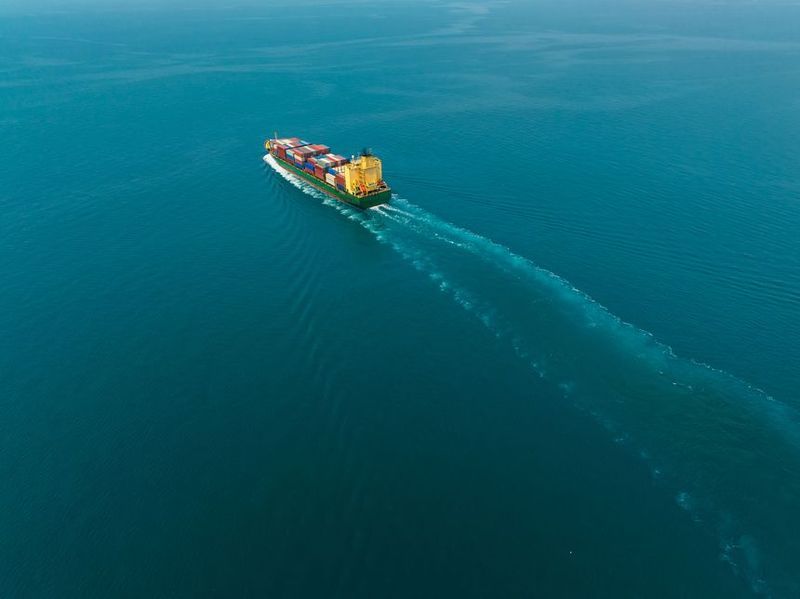
In November 2024, three US-flagged vessels in the Maritime Security Program (MSP) were denied docking at APM terminals in Algeciras, Spain. The Spanish authorities pointed to the cargo being linked to the US involvement in Israel. As a result of the refusal to allow the US-flagged vessels, the FMC launched a formal investigation into the actions.
Investigation
The FMC opened the investigation in December 2024 under 46 U.S.C. Chapter 421. Chapter 421 explicitly directs the FMC to examine conditions unfavorable to shipping in US foreign trade that arise from foreign laws or regulations. The initial investigation confirmed that the three vessels – Maersk Denver, Maersk Nysted, and Maersk Seletar – were denied docking in Spain under a broad policy to restrict ships and aircraft carrying weapons bound for Israel and fuel for the Israeli military from Spanish ports and airports. The FMC concluded that the restrictions impaired the ability of the US-flagged vessels to compete for cargo and created unfavorable conditions under Chapter 421. Additionally, the restriction in these vessel calls creates an environment where US-flagged commercial vessels cannot export goods to Spain and from carrying Spanish goods to foreign ports.
FMC's Proposed Action
In an October 14, 2026 Press Release and Notice of Proposed Rulemaking, the FMC has announced the conclusion of its investigation and proposed actions. The first action is a $200,000 per-voyage fee on Spanish-flagged vessels calling at US ports. This number is not random, rather the FMC proposed the fee as an amount, adjusted for inflation, from a fee previously used by the FMC's 1997 Japan harbor-services proceedings. Importantly, the Spanish-flagged commercial fleets is relatively small so the reach and impact of the proposed fees may be limited.
The second proposed action is a possible restriction on the importation of certain Spanish goods. The FMC utilized the Harmonized Tariff Schedule (HTS) to identify categories of goods that could be impacted. The goods included many consumer items that could directly impact US citizens, like perfumes and cosmetics, oils and fats, ceramics, sugar and confectioneries. Interestingly, the notice proposes excluding higher-volume and sensitive goods like medicines and transformers.
The notice is an invitation for public comment during a 60 day period, and includes an opportunity for the Government of Spain to receive a hearing under Chapter 421. Additionally, the FMC can withdraw any remedies if it believes the unfavorable conditions are addressed.
Why This Matters
The MSP vessels are commercially operated vessels retained to support national-security sealift. Foreign restrictions on their ability to call certain ports, especially critical hubs like Algeciras, Spain impact both commercial viability of US-flagged capacity, national-security, and the reliability of global shipping networks. This Chapter 421 investigation and proposed remedies illustrate the authority, scope, and power of the FMC related to foreign trade practices.
For carriers, shippers, marine terminal operators, and service suppliers in the maritime ecosystem, there are practical questions beyond just port calls in Spain. If the remedies are adopted, frequency of Spanish-flag calls at US ports, volumes of the identified Spanish commodities, and whether pre-existing shipping routes can accommodate and absorb potential impacts will be worth monitoring.
The FMC's conclusion that unfavorable conditions exist in Spain and proposed remedies to protect the US economy presents a noticeable wind change in the regulatory agency's approach. Stakeholder input on the impacts – not just for this case but globally – and alternatives will help inform how the FMC finalizes their action. The final rulemaking will be watched closely by the entire ocean shipping network.
If you have experienced related discrimination for your cargo or your customer's cargo or would like to provide input to the FMC, contact us or your Jones Walker attorney for further assistance.
-

- name
- Julia Bonestroo Banegas
- title
- Special Counsel
- phones
- D: 202.203.1032
- jbanegas@joneswalker.com
-
- name
- Nick Primrose
- title
- Special Counsel
- phones
- D: 850.214.5097
- nprimrose@joneswalker.com