

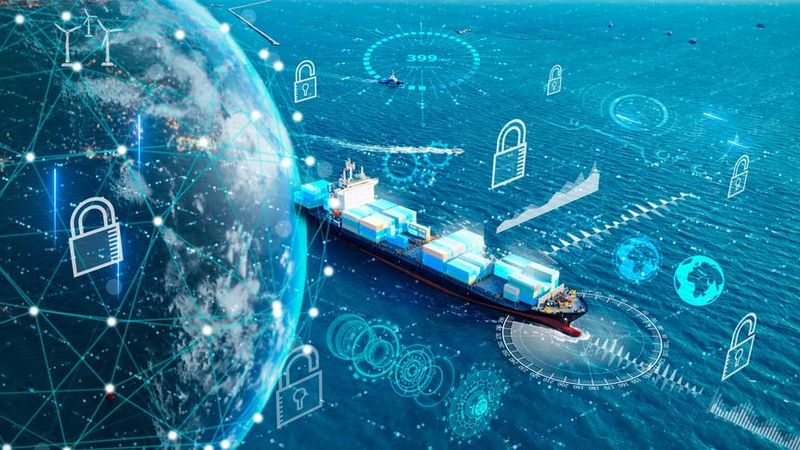
The future of shipping is now and must be regulated as it evolves. Maritime Autonomous Surface Ships (MASS) represent four (4) degrees of autonomy from automated processes and support to fully autonomous with no seafarers. The challenge is how to regulate MASS.
In 2017, the Maritime Safety Committee (MSC) of the International Maritime Organization (IMO) began debating how to proceed with a scoping exercise to address inter alia design, operation, manning, safety, cybersecurity, and pilotage of MASS. In 2021, the MSC completed its analysis of relevant international treaties to determine how MASS safety could be regulated. In May 2026, the IMO adopted a new International Code of Safety for MASS referred to as the MASS Code to be applied to cargo ships. It is non-binding best practices that come into effect July 1, 2026.
The IMO will continue to work on a mandatory MASS Code for review and adoption in 2030. The Comité Maritime International has also formed an International Working Group, including participation by the United States to provide input on the binding MASS Code. It is noted that, although the US participates in the process, it has not traditionally adopted such Codes but refers to them as a standard. Technology in shipping is not new, but the safety regulations and obligations need to account for technological advances and are currently being addressed.
The MASS Code introduces new requirements for the design, approval and operation of these ships, including in key areas such as navigation, connectivity, remote operations, fire safety, and search and rescue. It places strong emphasis on risk assessment, robust system design, cybersecurity and the integration of Remote Operations Centres (ROCs).
-

- name
- Grady S. Hurley
- title
- Partner
- phones
- D: 504.582.8224
- ghurley@joneswalker.com