

Florida Challenges California's "Special Rule" Tax Apportionment Scheme in Supreme Court Original Jurisdiction Case
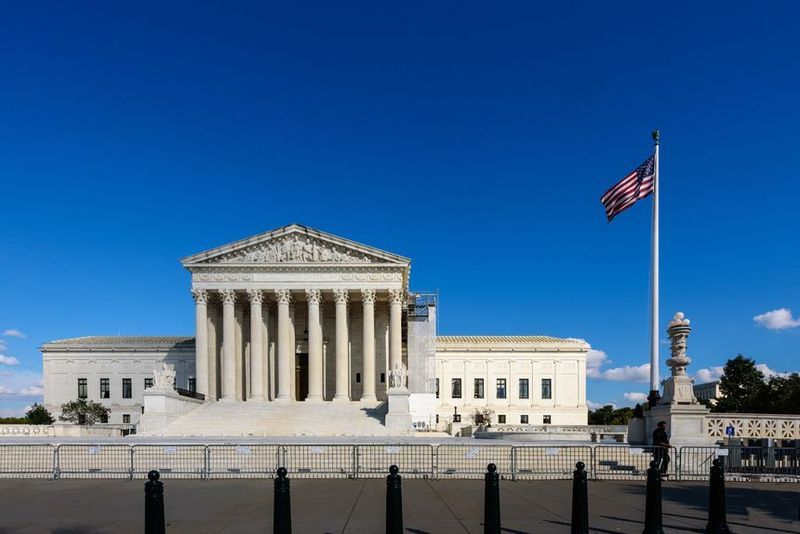
On October 28, 2025, Florida filed a motion for leave to file a bill of complaint in the United States Supreme Court challenging California's business income tax apportionment regulation, alleging it unconstitutionally discriminates against out-of-state corporations. The case invokes the Court's original jurisdiction over disputes between states, a mechanism reserved for matters of sufficient seriousness and dignity where no alternative forum exists.
At the heart of Florida's complaint is California's "Special Rule," which excludes certain "substantial" and "occasional" sales from the sales factor formula used to apportion business income among states. Under California's single-sales factor approach, a corporation's tax liability is determined by multiplying its business income by the percentage of total sales occurring in California. However, the Special Rule carves out large, infrequent sales — such as factory sales, patents, or affiliate stock — from this calculation while still including the income from those sales in the taxable base.
Florida argues this creates a severe distortion that operates as a tariff on out-of-state business. The complaint illustrates the effect through examples showing how the Special Rule can result in California claiming 50% of a corporation's income when only 5% of actual sales occurred there, simply because the excluded sales happened where the company's facilities and employees are located outside California. Meanwhile, corporations keeping their operations in California receive preferential treatment, with the same substantial sales effectively ignored in a manner that reduces their California tax burden.
The complaint asserts three constitutional violations. First, Florida claims the Special Rule violates the Commerce Clause by failing to satisfy any of the four Complete Auto factors: it taxes activity without substantial nexus to California, fails to fairly apportion income, discriminates against interstate commerce, and bears no fair relationship to services California provides. Second, Florida invokes the Import-Export Clause, arguing the regulation functions as an unconstitutional state tariff. Third, Florida alleges Due Process violations because the rule irrationally apportions income without regard to where value was actually generated.
Florida pleads standing to bring this action based on lost tax revenue as corporations are incentivized to relocate to California, diminished investment returns for state pension and catastrophe funds holding stock in affected corporations, and injuries to Florida citizens and businesses. The state seeks declarations that the Special Rule is unconstitutional and a permanent injunction preventing its enforcement.
This case represents a significant federalism dispute over states' taxing authority and could establish important precedent regarding the constitutional limits on apportionment formulas that diverge from traditional multifactor approaches, should the Supreme Court take the case and provide a ruling on the merits.
-

- name
- H. French Brown, IV
- title
- Partner
- phones
- D: 850.214.5075
- fbrown@joneswalker.com
-

- name
- Daniel J. McGinn
- title
- Special Counsel
- phones
- D: 850.214.5105
- dmcginn@joneswalker.com