

New York Knicks and Rangers Split: What the MSG Spin-Off Teaches Us About Financing in Sports
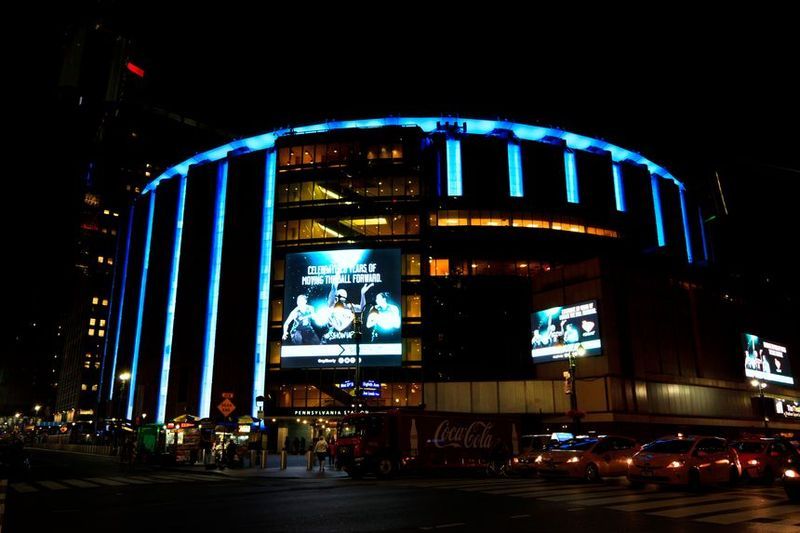
Madison Garden Sports Corp. has finished splitting the New York Knicks and New York Rangers into two separate public companies. The spin-off distribution closed on October 26, 2026, and each MSG Sports stockholder received one Rangers share for every two MSG Sports shares held. The teams now trade as MSG Knickerbockers (NYSE: MSGK) and MSG Rangers (NYSE: MSGR).
The deal in plain terms
In a spin-off, a parent company hands an existing business line to its own shareholders as a new, independent company. Shareholders end up owning both the legacy business and the new spin-off business, but each business has its own board, balance sheet and stock price. The teams still play at the Garden under their existing arena license agreements, so the split changes who owns the teams, not where the games are played.
Why do it?
MSG Sports stated that the spin-off was accomplished for clarity and flexibility: the separation would let investors evaluate each company’s assets more clearly and give each company more strategic and financial flexibility. In practice that means:
- Liquidity and access to capital. Two distinct team business models make it easier to raise capital and sell minority stakes. A buyer who wants to own a piece of a basketball team no longer has to take hockey as well.
- Valuation; Going Private. Both stocks still trade well below private-market team valuations, which is likely a gap that the spin-off would seek to narrow. By separating basketball from hockey, the pathway towards an overall sale or “going-private” transaction is smoother and is not dependent on finding a buyer or set of investors that are willing to take on both teams at once.
A thought for college athletics
College athletics is facing its own version of the problem MSG solved: very different businesses with very different cash needs, sharing one balance sheet and one set of investors. A football program may carry millions in athlete revenue-sharing and NIL-related obligations, while an Olympic sport carries none and loses money year-over-year. The MSG playbook suggests a few ideas that college athletics departments should explore (and, in many cases, already are):
- Ring-fence the revenue engines. A university could house its highest-revenue sports and their athlete compensation budgets in a separate affiliated entity with its own financials, so the compensation and fundraising budget is tied to the revenue engine that funds it.
- Give investors a clear target. Outside capital is easier to attract when the revenue stream, media rights and obligations are isolated in one vehicle rather than blended with the whole athletic department. That is the same logic as the Knicks and Rangers separation.
- Match compensation to cash flow. A distinct entity can set a budget for athlete payments based on its own projected revenue, instead of leaning on collective donations, fundraising and department subsidies.
The hard questions
This is a concept, not a template. Universities are not public companies, and several issues would need careful structuring: tax exempt status, unrelated business income, private benefit and inurement limits, legal limits on NIL financing, Title IX, the CSC rules on how payments count against the revenue-sharing cap, and securities laws if outside investors are involved. Athlete employment status is also unsettled and could change the analysis.
However, the MSG spin-off transaction shows that how a business is structured can matter as much as how it performs. As colleges build out revenue-sharing, NIL and investment programs, the corporate structure underneath them is worth as much attention as the budget on top.
If you are thinking through a restructuring, financing, or athlete compensation structure, we would be glad to talk.

- name
- Giles Detwiler Beal IV
- title
- Partner
- phones
- D: 504.582.8603
- D: 646.735.6900
- dbeal@joneswalker.com

- name
- Adam N. Matasar
- title
- Partner
- phones
- D: 504.582.8200
- amatasar@joneswalker.com